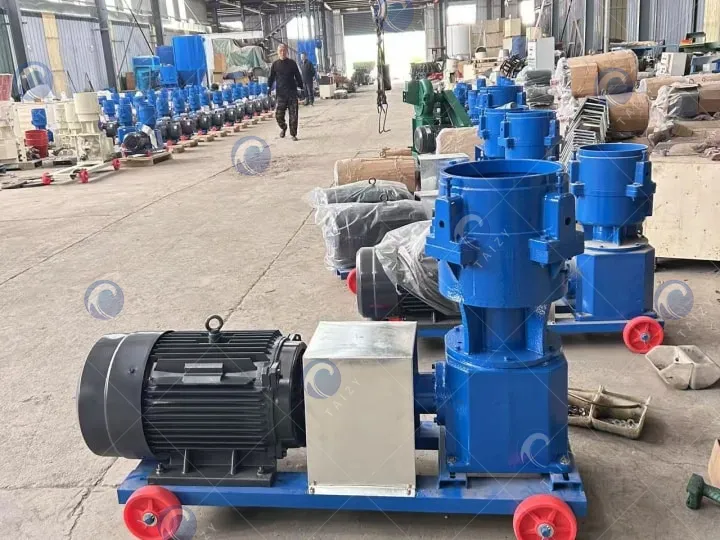
How many feed pellets can a chicken feed pellet extruder produce?
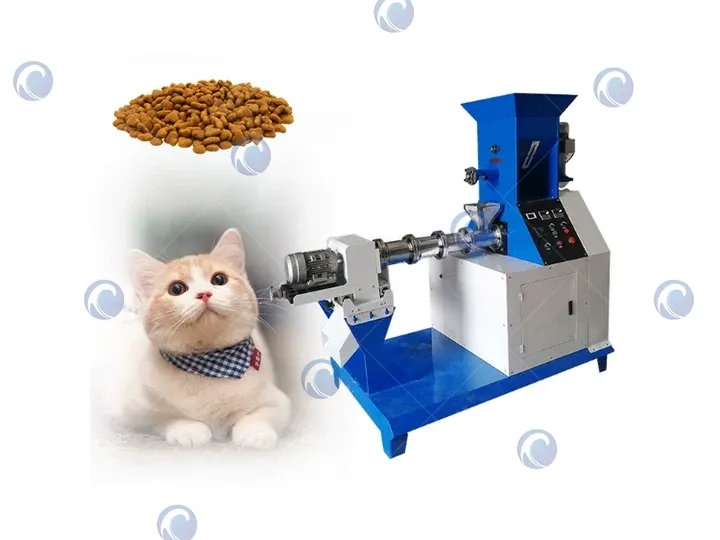
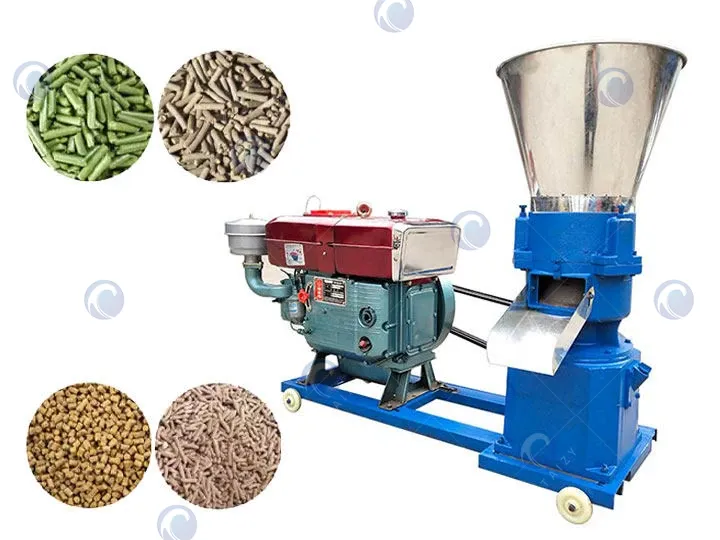
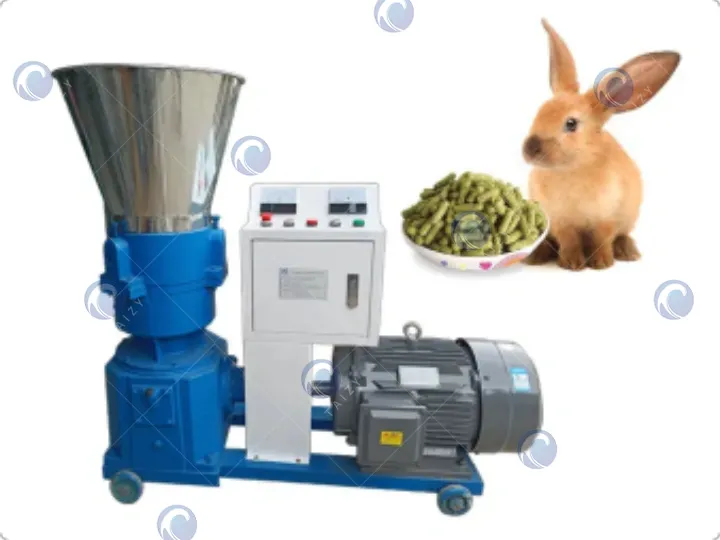
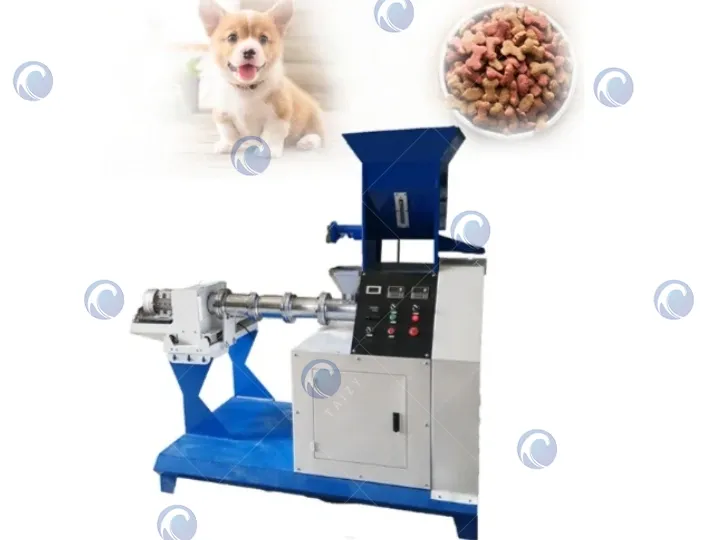
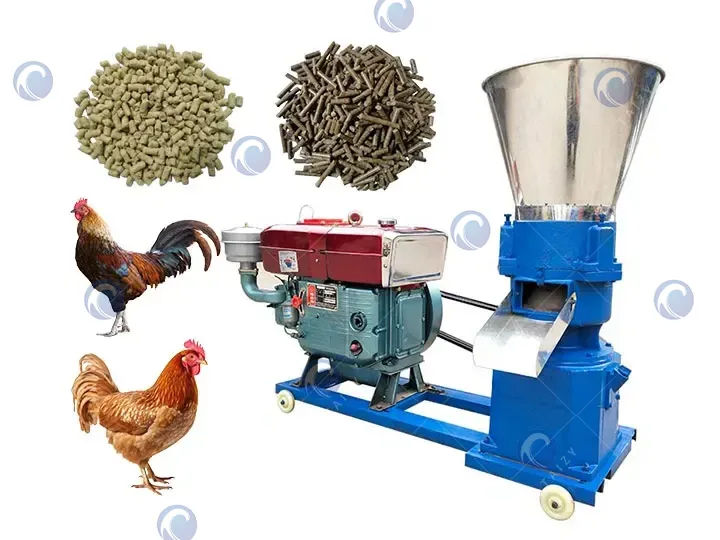
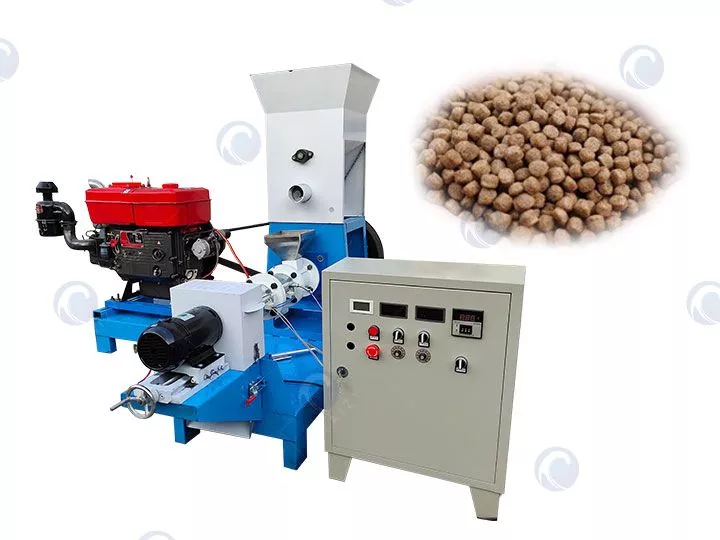
The output of a chicken feed pellet extruder machine depends mainly on its model and configuration. The available models in this range produce 120–1,200 kg of chicken feed pellets per hour, making them suitable for small poultry farms as well as larger feed production needs.
For example, the KL-120 produces about 120 kg/h, while the larger KL-300 can reach 1,000–1,200 kg/h. Choosing the right capacity depends on how much feed is needed daily and how long the machine is expected to operate.
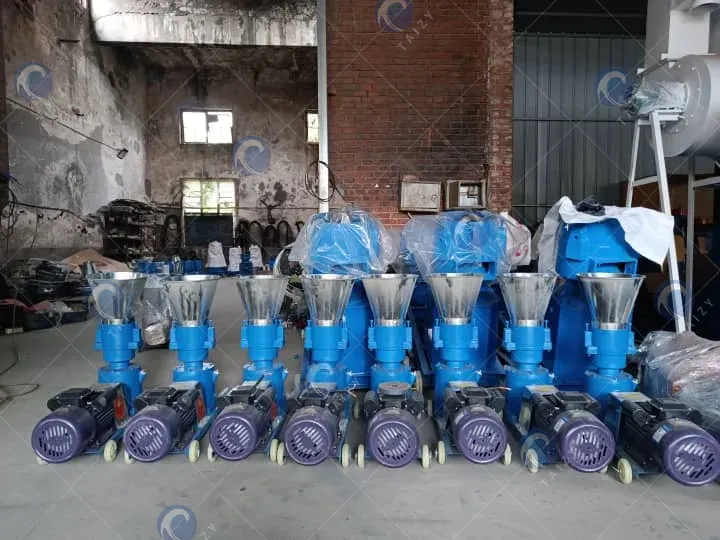
Chicken feed pellet machine capacity
The following table shows the main specifications of the available models:
| नमूना | शक्ति | क्षमता | Machine Weight | Machine Size |
|---|---|---|---|---|
| KL-120 | 3 kW | 120 किग्रा/घंटा | 100 kg | 0.75 × 0.32 × 0.61 m |
| KL-150 | 3 kW | 150 किग्रा/घंटा | 190 kg | 0.75 × 0.35 × 0.65 m |
| केएल-210 | 7.5 kW | 400 किग्रा/घंटा | 230 kg | 1.0 × 0.45 × 0.96 m |
| केएल-260 | 15 kW | 800 किग्रा/घंटा | 360 kg | 1.46 × 0.46 × 1.15 m |
| केएल-300 | 22 kW | 1,000–1,200 kg/h | 450 kg | 1.06 × 0.57 × 1.15 m |
The capacity increases significantly between models. This gives poultry farmers more flexibility when choosing a machine according to their daily feed consumption.
How much feed can chicken feed pellet machine produce in a day?
Hourly capacity can be converted into approximate daily output based on operating time.
For example, if a machine operates for 8 hours per day:
- KL-120: about 960 kg/day
- KL-150: about 1,200 kg/day
- KL-210: about 3,200 kg/day
- KL-260: about 6,400 kg/day
- KL-300: about 8,000–9,600 kg/day
These figures are calculated from the rated hourly capacity, and actual production may vary depending on the raw materials, moisture content, pellet size, and operating conditions.
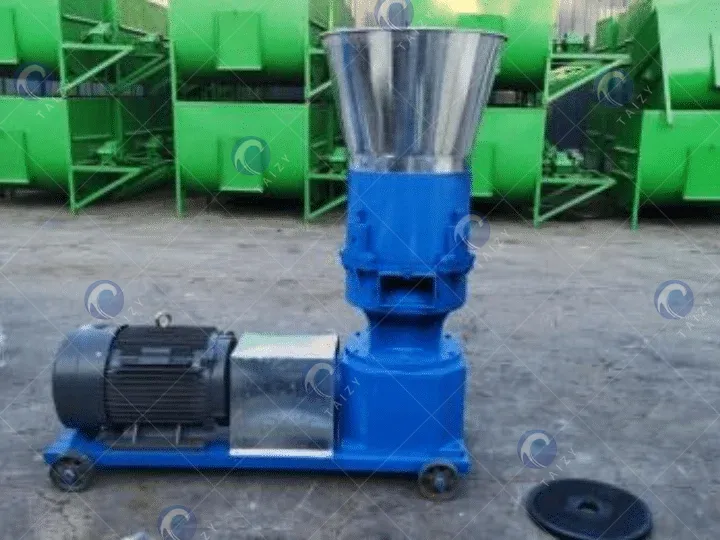
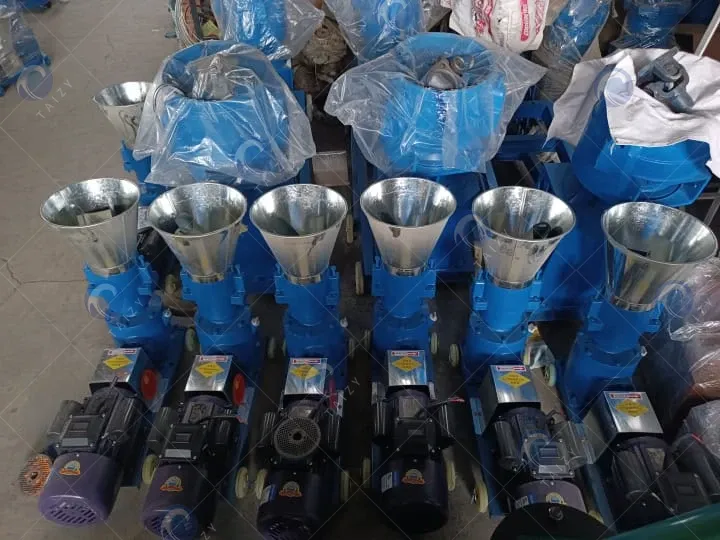
Which chicken feed pellet machine capacity do you need?
The required capacity is better determined by daily feed demand rather than choosing the largest chicken feed pellet machine available.
For a small poultry farm with relatively low daily feed consumption, a 120–150 kg/h machine may be sufficient. If feed demand reaches several tons per day, a 400 kg/h or 800 kg/h model can reduce the required operating time.
For larger feed production requirements, the KL-300, with a capacity of 1,000–1,200 kg/h, provides substantially higher output.
A simple calculation can help with selection:
Required capacity = Daily feed requirement ÷ planned operating hours
For example, if you need to produce 3,000 kg of chicken feed per day and plan to operate for 8 hours:
3,000 ÷ 8 = 375 kg/h
In this situation, a chicken feed pellet extruder machine with a capacity of around 400 kg/h would match the production requirement.
What affects chicken feed pellet machine output?
The rated capacity is not the only factor affecting actual production. Several conditions can influence the final output.
- Raw material: Corn, wheat, soybean meal, bran, and other feed ingredients can have different processing characteristics. A properly prepared feed mixture generally helps maintain stable production.
- Moisture content: Moisture affects pellet formation and machine performance. Material that is too dry or too wet may reduce stable pellet production.
- Pellet size: Different pellet diameters require different die configurations. The selected pellet size can influence the production rate.
- Machine operation: Continuous feeding and proper adjustment help the machine operate closer to its rated capacity. Irregular feeding or unsuitable material preparation can cause output to fluctuate.
Choose right machine for your feed needs
If you know your daily feed requirement, working hours, and desired pellet size, you can use these figures to determine the capacity you actually need.
For model selection, power configuration, pellet specifications, or other requirements. You can contact us with your production details so we can recommend a suitable chicken feed pellet extruder machine.