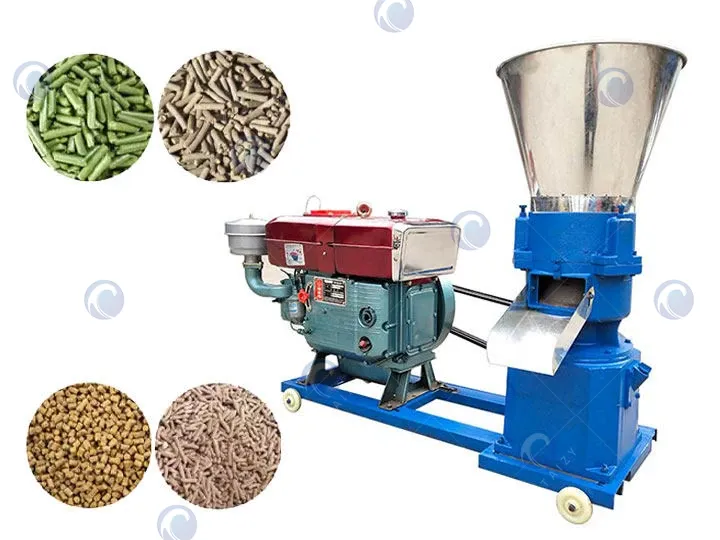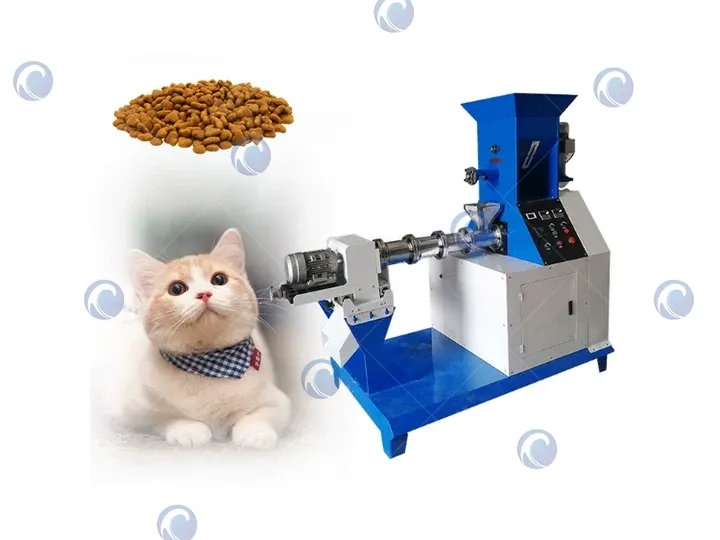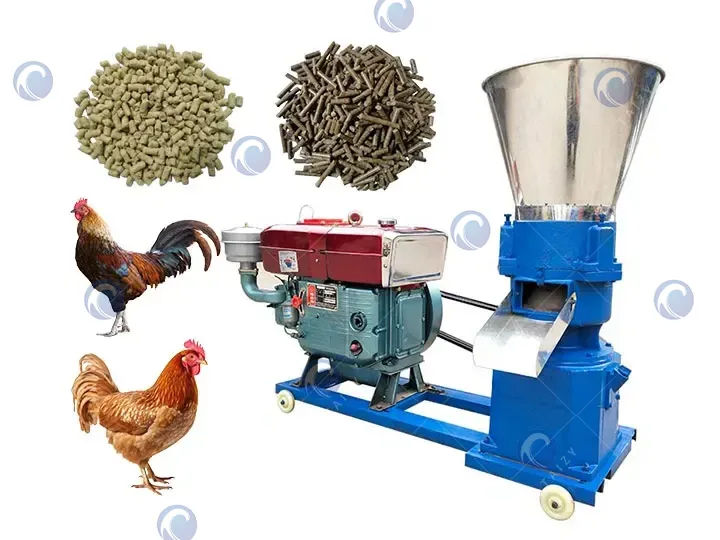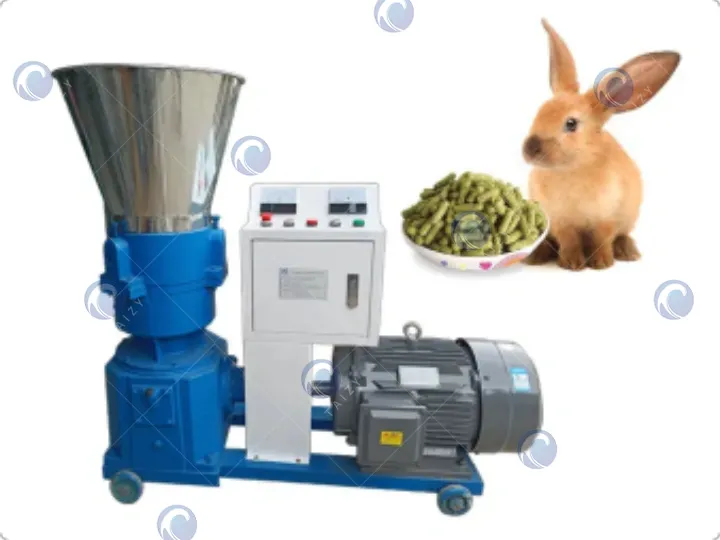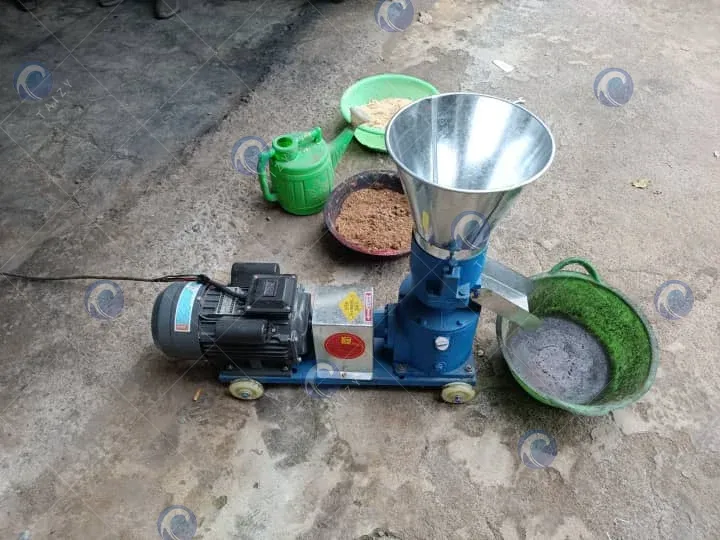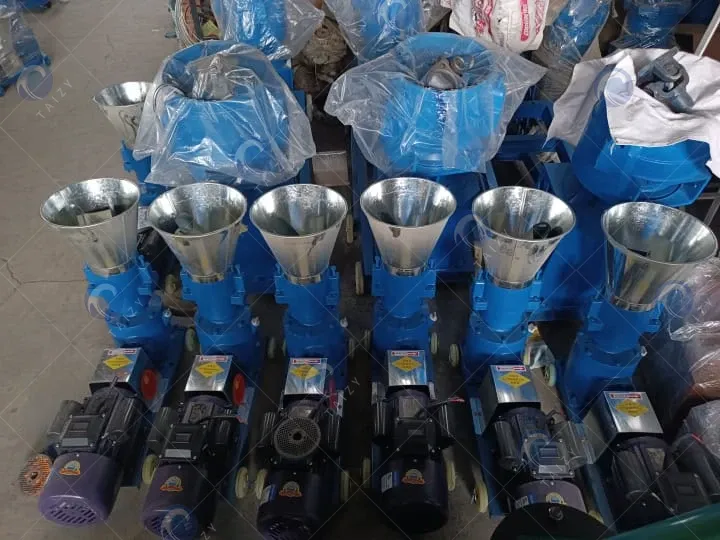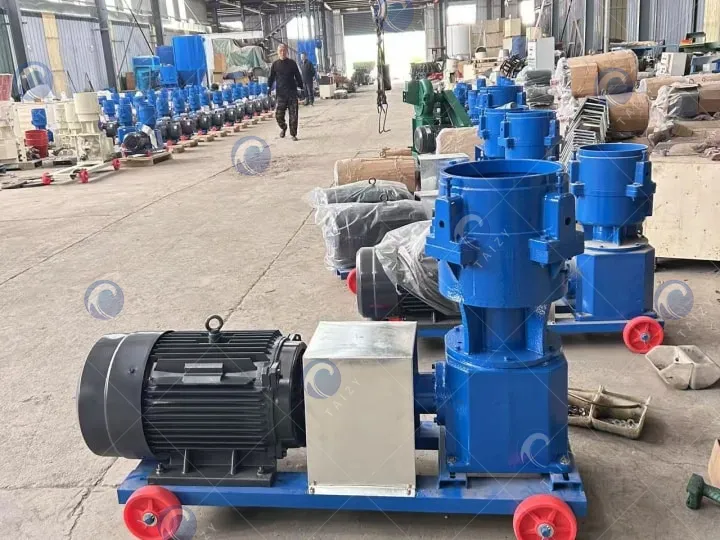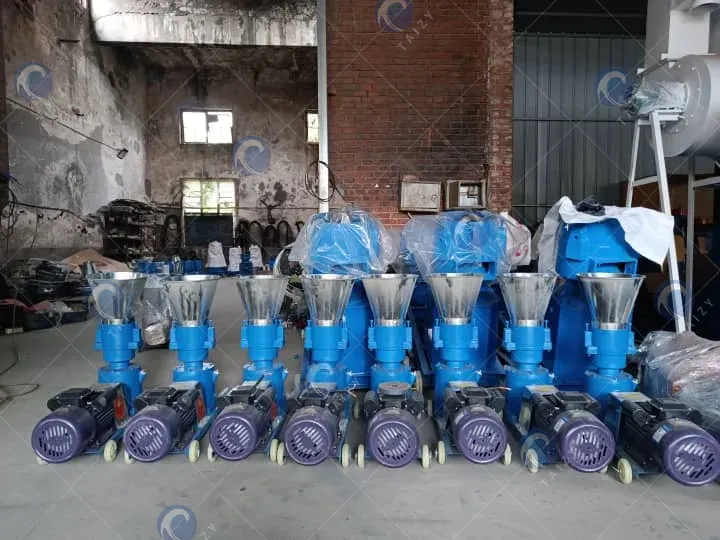
What raw materials can be used in dog feed pellet machine?
The quality of dog food depends not only on the quality of the dog feed pellet machine but also, and perhaps more importantly, on the selection of raw materials. For pet food manufacturers and entrepreneurs, understanding which raw materials can be processed by these machines is a crucial step in formulating products and planning production.
The dog food pellet machine currently on the market can process a wide range of ingredients, including various grains, animal and plant proteins, vegetable powders, fats and oils, and nutritional additives. This article outlines the common types of raw materials used in dog food production and their respective functions.
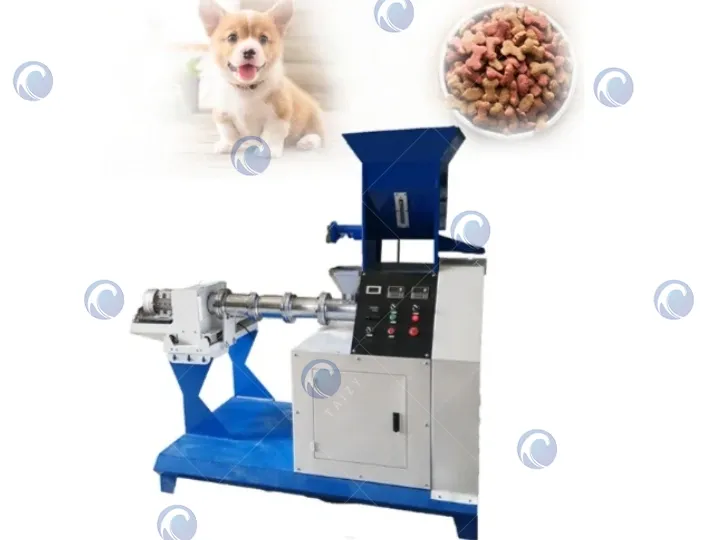
Why is the selection of raw materials crucial?
Not all ingredients behave the same way during pelletizing or extrusion. Some provide protein, while others improve texture, flavor, or digestibility.
Suitable raw materials should offer:
- Appropriate moisture content
- Good nutritional value
- Stable storage characteristics
- Compatibility with the dog feed pellet machine
A well-designed formula can improve pellet appearance, reduce breakage, and increase acceptance by dogs.
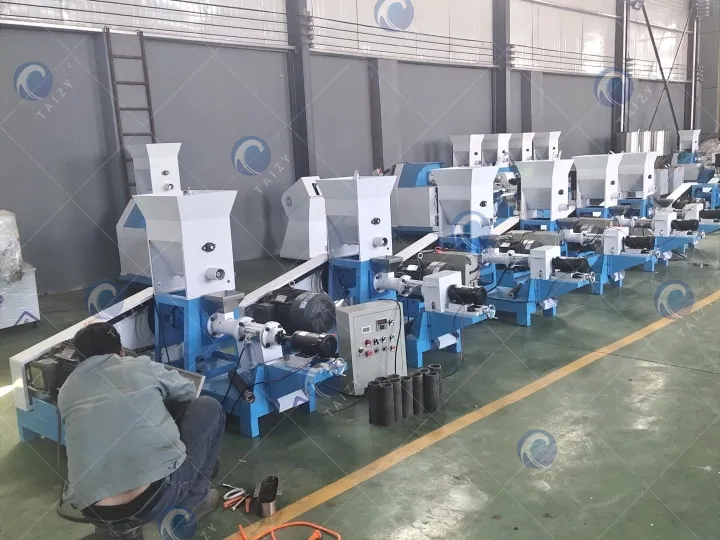
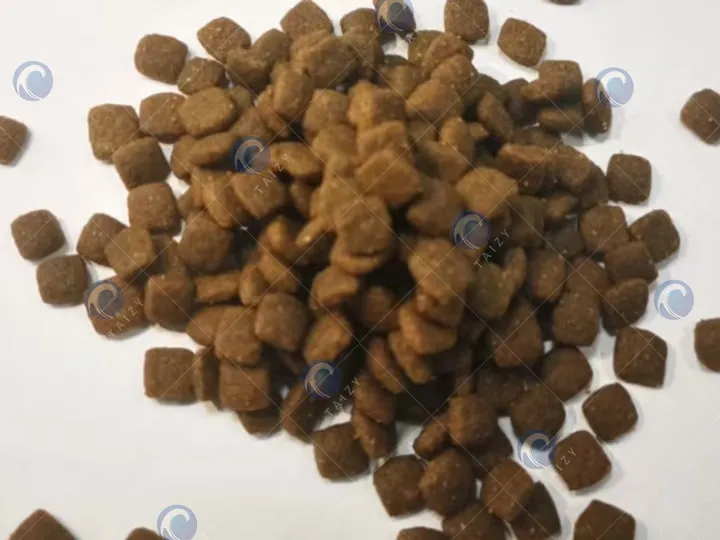
Grain ingredients commonly used in dog food
Grains are one of the most widely used components in dog food production. They supply carbohydrates that provide energy and help form stable pellets. Common grain materials include:
- Corn: Maize is frequently used because it is readily available and cost-effective. Ground corn contributes energy and supports pellet formation.
- Wheat: The wheat contains natural starches that can improve pellet structure and durability during processing.
- Rice: The rice is easy to digest and is often included in premium dog food formulations.
- Oats and barley: These grains provide dietary fiber and can be used in specialized pet food recipes.
Protein sources for dog food pellets
Protein is one of the most important nutritional components in dog food.
- Fish meal: It offers high protein content and essential amino acids. It is commonly used in puppy food and high-protein formulas.
- Chicken meal: Chicken meal is a popular ingredient due to its nutritional value and favorable taste.
- Meat and bone meal: This ingredient supplies both protein and minerals and is widely used in commercial pet food production.
Vegetable ingredients and fiber sources
Fats improve flavor, energy density, and product attractiveness.
Commonly used oils include:
- Chicken fat
- Fish oil
- Vegetable oil
- Sunflower oil
- Soybean oil
Many manufacturers spray oils onto pellets after drying to improve palatability and preserve sensitive nutrients.
Raw material requirements before pelletizing
Before entering the dog feed pellet machine, ingredients usually need to be prepared properly.
Recommended preparation includes:
- Removing foreign objects
- Controlling moisture levels
- Mixing ingredients evenly
- Following the planned nutritional formula
Consistent preparation helps maintain stable machine performance and uniform pellet quality.
Can dog feed pellet machine process different dog food formulas?
Most modern dog food pellet machines can process various recipes by adjusting production parameters.
Manufacturers can produce:
- Puppy food
- Adult dog food
- Senior dog food
- High-protein dog food
- Grain-free formulas
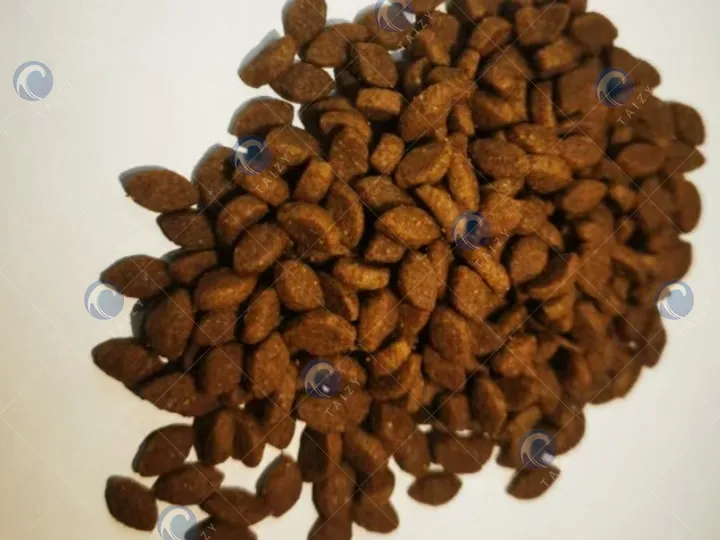
Different pellet sizes can also be produced by changing molds or dies, allowing one machine to meet multiple product requirements.
Final thoughts
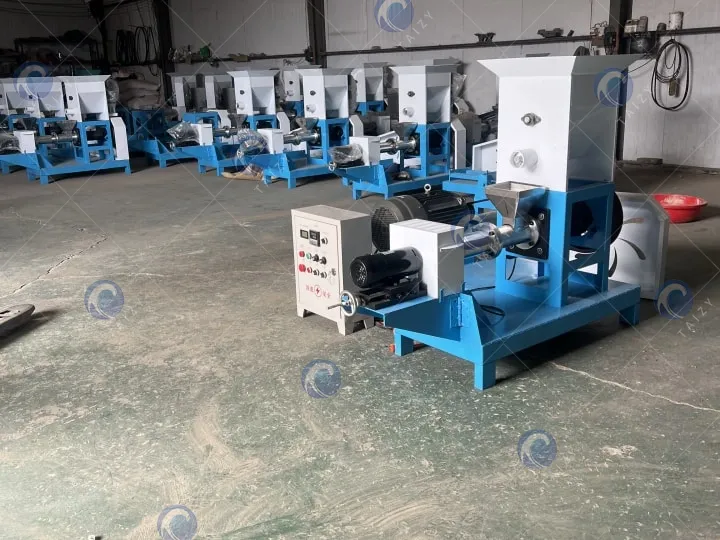
দ কুকুরের খাবার পিলেট মেশিন is compatible with a wide range of raw materials, including grains, protein meals, vegetables, oils, and nutritional additives.
When selecting raw materials, manufacturers should focus not only on nutritional value but also on processing performance. Proper ingredient selection and formula design help improve pellet quality, production efficiency, and the overall competitiveness of pet food products.